
Sponge Bath: How to Give One Safely to Babies, Adults, and Seniors
Giving a sponge bath may seem simple, but are you doing it safely? Whether you’re bathing a newborn, caring for an elderly parent, or helping someone recover from surgery, small mistakes can lead to discomfort, skin irritation, or unnecessary stress. The good news? A gentle, effective sponge bath doesn’t have to be complicated. With the right supplies, comfortable water temperature, and proper cleaning techniques, you can make bathing easier and safer. In this complete guide, you’ll discover step-by-step instructions, essential safety tips, and common mistakes to avoid so you can confidently care for yourself or someone you love.
A sponge bath might sound simple, but when you’re caring for a newborn, helping an older parent, or looking after someone recovering from illness, knowing how to do it correctly can make a meaningful difference.
A sponge bath is a way of cleaning the body using a damp washcloth or sponge instead of taking a traditional shower or tub bath. It helps maintain personal hygiene when bathing normally is difficult, uncomfortable, or temporarily unsuitable.
The process involves more than wiping the skin. Water temperature, gentle cleaning, privacy, and thorough drying all matter.
Whether you’re a first-time parent, a family caregiver, or someone looking for a convenient alternative to showering, this guide explains how to give a sponge bath safely, what supplies to prepare, which mistakes to avoid, and when extra care is needed.
QUICK ANSWER
A sponge bath cleans the body with warm water and a soft cloth without immersing the person in a bathtub. Begin with the face and cleaner areas, wash the groin and buttocks last, rinse away cleanser, and gently pat the skin dry. Keep the person warm, comfortable, and supported throughout.
1. What Is a Sponge Bath? Meaning, Benefits, and Uses
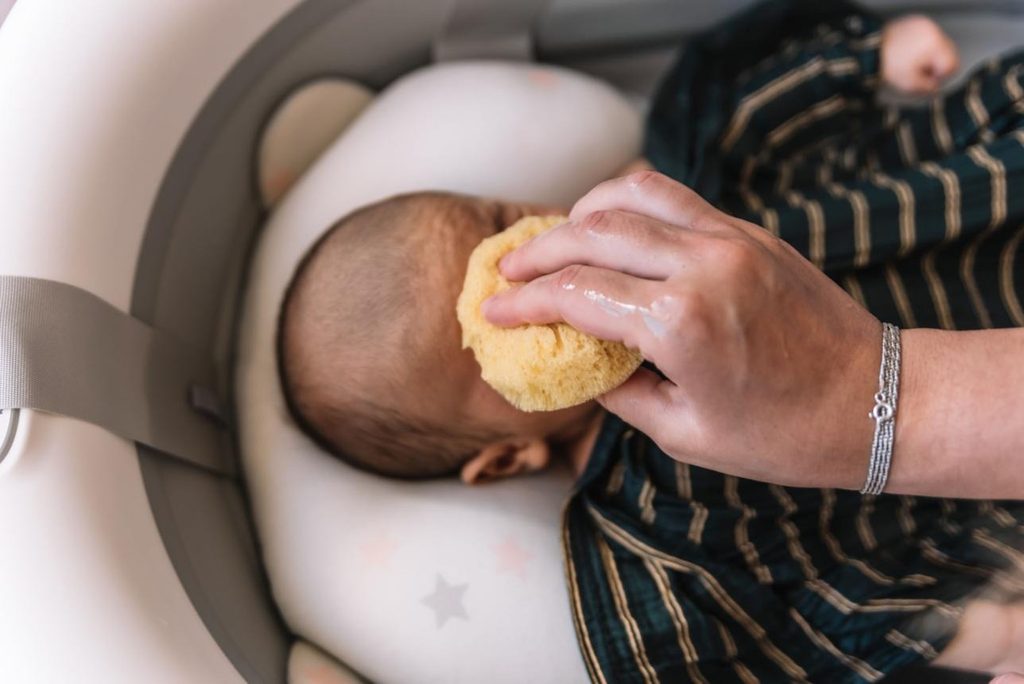
A sponge bath is a personal hygiene method in which the body is washed one section at a time with a damp washcloth or sponge. It can be performed in bed, while sitting in a chair, or on a safe changing surface for a baby.
7
Unlike a shower or traditional bath, sponge bathing does not require full-body immersion. This makes it especially useful when movement is restricted or immersion should be avoided.
Common benefits include:
- Maintaining cleanliness when a shower is impractical.
- Removing sweat, surface dirt, and unpleasant odors.
- Improving comfort for people with limited mobility.
- Allowing caregivers to observe changes in the skin.
- Helping newborns stay clean without immersion during early cord care.
- Supporting daily hygiene during illness or recovery.
Sponge bathing can be an effective alternative, although it may not provide the same thorough rinsing as a shower.
2. When Should You Give a Sponge Bath?
Sponge bathing is useful when someone cannot safely or comfortably use a bathtub or shower. It is particularly relevant for people who need assistance with mobility, positioning, or personal care.
Common situations include newborn care, illness-related weakness, recovery after certain procedures, and home care for bedridden individuals.
| Situation | Why sponge bathing may help |
| Newborn with healing umbilical stump | Avoids soaking the cord area |
| Older adult with mobility limitations | Reduces the need to enter a bathtub |
| Bedridden patient | Allows hygiene without leaving bed |
| Recovery after surgery | May help avoid wetting a dressing if permitted |
| Temporary lack of shower access | Provides a practical cleaning alternative |
| Severe fatigue or weakness | Allows washing in manageable stages |
After surgery, follow the surgeon’s instructions. Some wounds must remain dry, and other procedures allow showering sooner than expected.
Important: Sponge bathing is not automatically the safest choice for every person. If someone has fragile skin, wounds, medical devices, or severe mobility limitations, their care plan should guide the process.
3. Sponge Bath Supplies: Everything You Need Before Starting
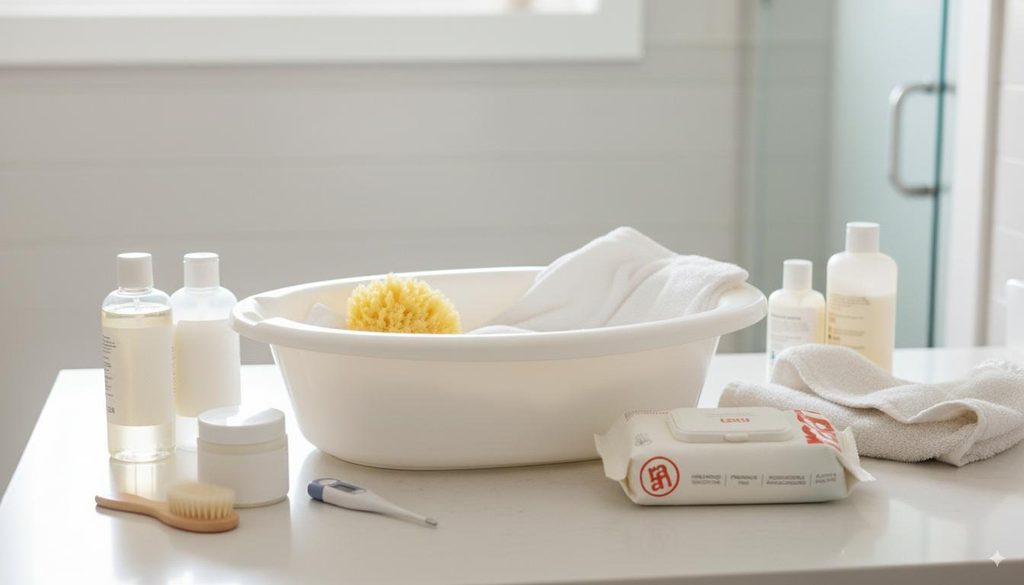
Preparing supplies in advance makes sponge bathing easier and helps prevent unnecessary exposure to cold air.
Sponge Bath Supplies Checklist
0/8 ready
Basin filled with comfortably warm water
Two or more clean soft washcloths
Mild fragrance-free cleanser if needed
Clean towels for drying and covering
Waterproof pad to protect the bed
Fresh clothes and clean bedding
Disposable gloves when body-fluid contact is expected
Moisturizer suitable for the person’s skin
Reset checklist
Before beginning, ensure the room is comfortably warm and free of drafts. Check that the bathing surface is stable and that you can reach the supplies without leaving a baby or vulnerable person unattended.
4. How to Give a Sponge Bath Step by Step
A full-body sponge bath follows a straightforward principle: wash the cleaner areas first and leave the genital and anal areas until last.
Step 1: Prepare the water and room
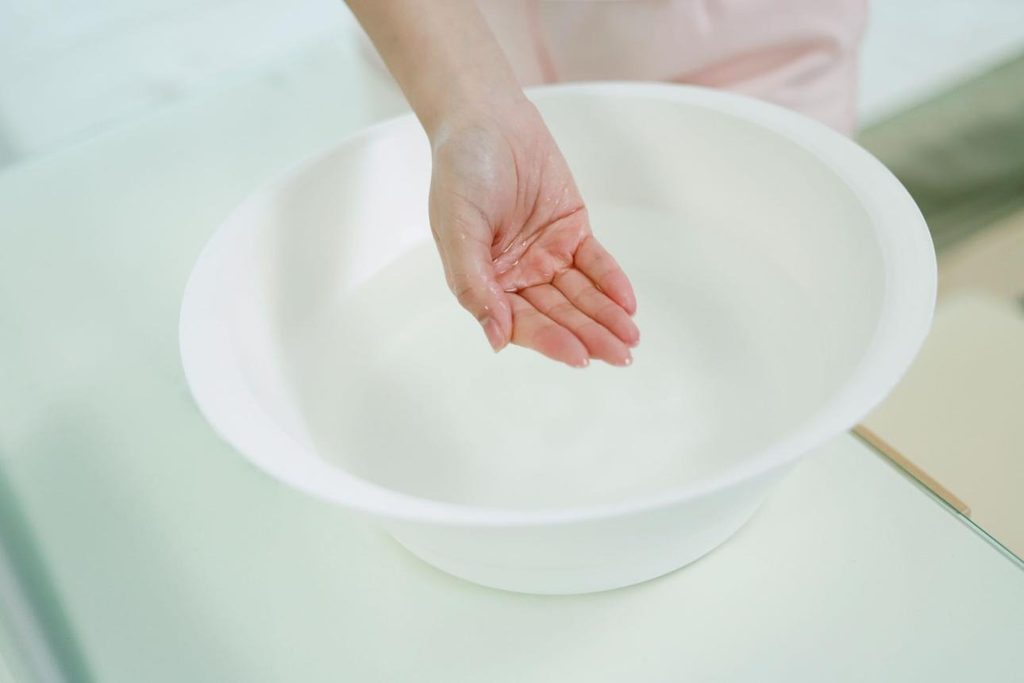
Wash your hands, gather supplies, and check that the water is comfortably warm, never hot. Keep the person covered until you are ready to clean each area.
Step 2: Clean the face and neck
Use plain water or a suitable gentle cleanser. Avoid getting soap into the eyes, and use a clean section of cloth for each eye.

Step 3: Wash the upper body
Clean the arms, hands, underarms, chest, and abdomen. Rinse away soap and pat each section dry.
Step 4: Wash the back, legs, and feet
Help the person reposition safely if necessary. Clean the back, legs, feet, and between the toes. Dry carefully.

Step 5: Clean private areas and finish
Use a separate clean cloth for the genital and anal areas. Clean gently from front to back where applicable. Dry thoroughly and help the person dress.
Change the water whenever it becomes dirty or cool. Never reuse a washcloth from the genital or anal area on another part of the body.
5. How to Give a Sponge Bath to an Adult Safely
An adult sponge bath is useful when showering is difficult because of weakness, disability, temporary injury, or limited access to bathing facilities.
Begin by explaining what you plan to do. If the adult can wash some areas independently, encourage them to participate.
This preserves independence and helps the person feel more comfortable.
For an effective adult sponge bath:
- Provide privacy and ask permission before assisting.
- Use warm water and mild cleanser.
- Wash one body section at a time.
- Keep the rest of the body covered.
- Pay special attention to underarms, skin folds, and feet.
- Use a separate cloth for intimate hygiene.
- Dry thoroughly without vigorous rubbing.
- Help the person change into clean clothes.
Adults with diabetes, neuropathy, poor circulation, or delicate skin may need extra care to avoid burns, rubbing injuries, and unnoticed skin damage.
If the person experiences dizziness, breathlessness, pain, or unusual distress, stop and assess whether medical assistance is needed.
6. Newborn Sponge Bath: How to Bathe Your Baby Safely
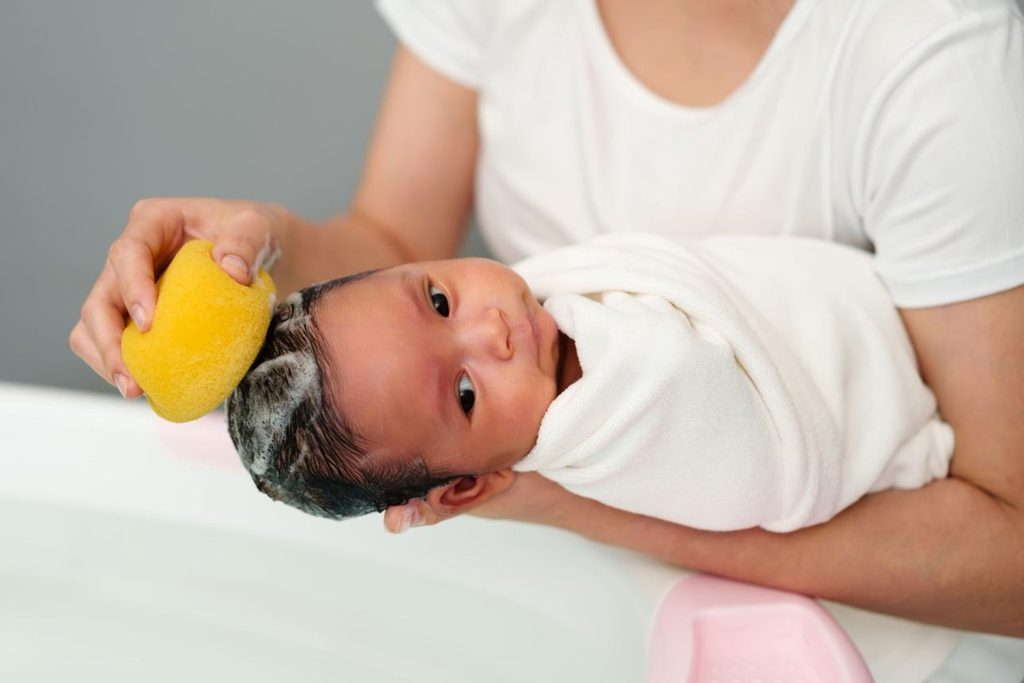
A newborn sponge bath is one of the gentlest ways to keep your baby clean during the first weeks of life.
The American Academy of Pediatrics recommends sponge bathing until the umbilical cord stump has fallen off and the area has healed. This helps keep the cord area dry while avoiding unnecessary immersion.
HealthyChildren.org
Step-by-step newborn sponge bath instructions
- Prepare a warm room. Keep the baby away from drafts and gather everything before starting.
- Choose a safe surface. Place your baby on a firm, flat, padded surface. Keep one hand on your baby to prevent falls.
- Use comfortably warm water. Test the temperature with your wrist or elbow.
- Clean the face first. Use a soft cloth dampened with plain water, avoiding the eyes and mouth.
- Wash the neck and upper body. Pay attention to folds behind the ears, around the neck, and under the arms.
- Clean the arms and legs. Uncover one area at a time to prevent chilling.
- Keep the umbilical stump dry. If it becomes dirty, clean it according to your pediatrician’s advice and gently dry it.
- Wash the diaper area last. Clean gently from front to back. Never forcibly retract an infant’s foreskin.
- Pat the skin dry. Check skin folds for trapped moisture.
- Dress your baby promptly. Use a clean diaper and comfortable clothing.
How often should a newborn have a sponge bath?
For most healthy newborns, about three baths per week may be sufficient, provided the diaper area is cleaned thoroughly during changes. More frequent bathing can dry the skin.
HealthyChildren.org
When can a newborn have a regular bath?
Once the umbilical stump has fallen off and the area has healed, parents can generally begin gentle tub bathing.
Contact a pediatrician if you notice redness spreading around the cord, foul-smelling discharge, active bleeding, or unusual tenderness.
HealthyChildren.org
7. Sponge Bath for Elderly People: Comfort, Safety, and Hygiene
Sponge bathing can help older adults maintain cleanliness when standing, stepping into a bathtub, or showering independently becomes difficult.
However, bathing is also a personal activity. Maintaining dignity, respecting preferences, and encouraging independence are essential parts of good caregiving.
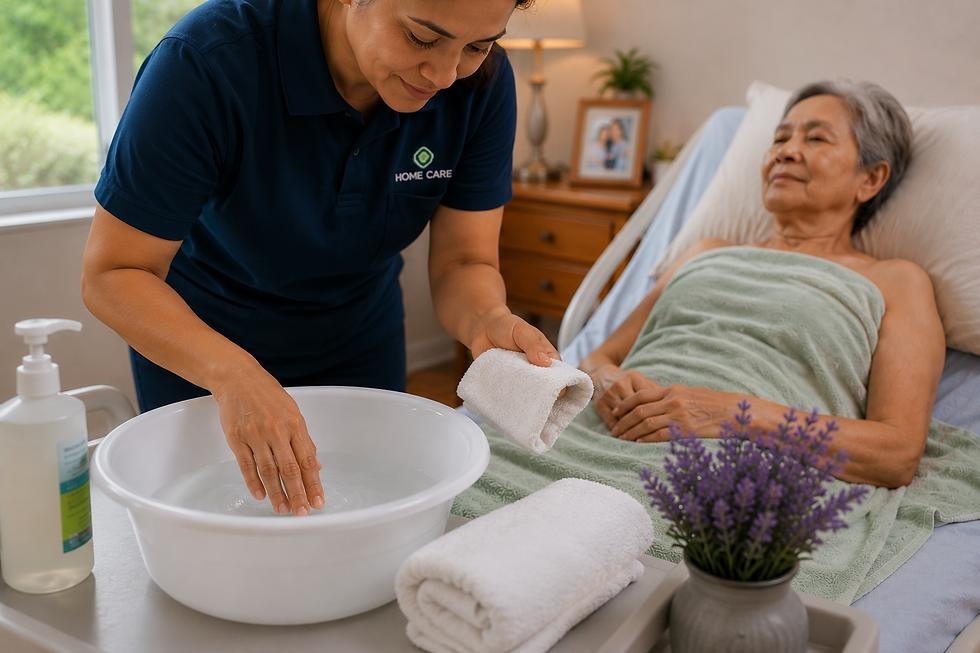
Practical sponge bath tips for seniors
- Ask which parts of the bathing process the person prefers to do independently.
- Explain each action before touching or repositioning them.
- Provide towels or blankets to maintain warmth and privacy.
- Use gentle cleansers that do not leave the skin feeling tight or irritated.
- Pay attention to areas where moisture collects, including beneath skin folds.
- Avoid vigorous scrubbing, especially when skin is fragile.
- Watch for persistent redness, unusual discoloration, sores, or broken skin.
- Apply suitable moisturizer after drying, if appropriate.
If an older adult has dementia, use calm explanations, familiar routines, and short bathing sessions. Avoid forcing care when the person is distressed unless there is an urgent hygiene or medical need.
A comfortable sponge bath should feel like supportive personal care, not a rushed procedure.
8. How to Give a Sponge Bath to a Bedridden Patient
A bedridden patient may need assistance with bathing because of illness, paralysis, weakness, or recovery from a medical procedure.
The main goals are cleanliness, comfort, skin observation, and protection from avoidable injury.
MedlinePlus recommends keeping the room warm, exposing only the area being washed, encouraging participation, and checking the skin for redness or sores during bed bathing.
MedlinePlus
Bedridden patient sponge bath procedure
Before bathing: Explain the process, wash your hands, prepare supplies, protect the bedding with a waterproof pad, and adjust the bed to a comfortable working height if possible.
During bathing: Wash the face and upper body first. Clean each section gently, rinse away cleanser, and pat dry. Use clean water and a separate cloth for private areas.
When cleaning the back: Reposition the patient only in ways permitted by their care plan. Someone with spinal precautions, recent surgery, fractures, or attached medical equipment may require trained assistance.
- Explore More: https://namenesty.com/4th-of-july-captions/
After bathing: Help the person into clean clothing, straighten the bedding, and ensure they are positioned comfortably.
Skin areas that deserve extra attention
| Body area | What to check |
| Heels and ankles | Pressure-related redness or discoloration |
| Lower back and sacrum | Persistent color changes or sores |
| Elbows | Dryness and pressure marks |
| Under breasts | Moisture and irritation |
| Groin and buttocks | Irritation from sweat or incontinence |
| Between toes | Moisture, cracks, or skin damage |
Do not massage reddened pressure areas. Report persistent discoloration, open sores, or suspected pressure injuries to a healthcare professional.
For additional patient-positioning guidance, see MedlinePlus: Turning patients over in bed.
MedlinePlus
9. Sponge Bath for Fever: Is It Safe and Effective?
A common question is whether a sponge bath can reduce a fever. The answer depends on the person’s age, condition, and the reason for the fever.
A sponge bath is not a treatment for the underlying cause of a fever. Although wiping the skin with water can temporarily change surface temperature, it does not necessarily improve recovery and may cause discomfort or shivering.
For children under five, the UK National Institute for Health and Care Excellence (NICE) explicitly advises against tepid sponging as a fever treatment.
NICE
What to do instead when a child has a fever
- Encourage appropriate fluids or breastfeeding.
- Dress the child comfortably without excessive bundling.
- Monitor behavior, breathing, hydration, and other symptoms.
- Use age-appropriate fever medication when indicated for distress, following professional advice and product directions.
- Seek medical care when warning signs appear.
A baby younger than three months with a temperature of 38°C (100.4°F) or higher needs prompt medical evaluation.
For adults, a gentle wash for cleanliness may be comfortable, but routine sponge bathing should not be relied upon to treat fever. Avoid ice-cold water, alcohol rubs, and any technique that causes shivering.
When to seek urgent help: Fever accompanied by difficulty breathing, confusion, seizures, a stiff neck, severe dehydration, or a non-blanching rash requires urgent assessment. People with weakened immune systems or serious underlying illnesses may need earlier medical advice.
10. Warm vs. Lukewarm Sponge Bath: Which Is Better?
Water temperature matters because skin can be sensitive to excessive heat and cold, particularly in newborns, older adults, and people with impaired sensation.
For routine hygiene, use comfortably warm water. Lukewarm water may be preferable when a person finds warmer water uncomfortable, but neither should be used as a substitute for appropriate fever treatment.
| Water temperature | Routine hygiene | Main consideration |
| Comfortably warm | Generally preferred | Helps maintain comfort |
| Lukewarm | Suitable when comfortable | May cool quickly in a cold room |
| Hot | Avoid | Can burn or irritate skin |
| Ice-cold | Avoid | May cause distress or shivering |
For baby bathing, the AAP advises checking the water with the inside of your wrist or elbow and taking precautions against scalding.
HealthyChildren.org
A thermometer can be helpful when bathing someone unable to reliably communicate discomfort. Follow any specific temperature limits in the person’s care plan.
11. Sponge Bath vs. Bed Bath vs. Shower: Key Differences
Although these terms are sometimes used interchangeably, they describe different bathing approaches.
A sponge bath refers to the washing method, while a bed bath describes bathing someone who remains in bed. A shower uses running water for washing and rinsing.
| Feature | Sponge bath | Bed bath | Shower |
| Requires bathtub | No | No | No |
| Can be performed in bed | Yes | Yes | Sometimes, with specialized equipment |
| Uses running water | Usually no | Usually no | Yes |
| Suitable for newborn cord care | Yes | Not generally used as a separate term | No |
| Useful for bedridden patients | Yes | Yes | Only with suitable equipment |
| Caregiver assistance | Sometimes | Often | Depends on mobility |
| Rinsing | By damp cloth | By cloth or no-rinse products | Under running water |
Which bathing method should you choose?
Find the right bathing method
I’m caring for a newborn with an unhealed umbilical area.
I’m caring for someone who cannot leave bed.
The person can sit but struggles to stand.
I don’t have access to a shower or bathtub.
Newborn sponge bath
Use gentle sponge bathing until the umbilical stump falls off and the area heals. Keep your baby supported and warm.
This is general guidance. Medical restrictions and individual safety needs take priority.
12. How Often Should You Give a Sponge Bath?
The ideal frequency depends on age, activity level, skin condition, personal preference, and care needs.
Not everyone requires a full-body bath every day. However, certain areas may need cleaning more frequently, especially when sweat, urine, stool, or other body fluids are present.
| Person or situation | General hygiene approach |
| Healthy newborn | Around three baths weekly may be enough |
| Active adult | Bathe according to activity, hygiene needs, and preference |
| Older adult with dry skin | Individualize frequency and avoid excessive soap |
| Bedridden patient | Follow care plan; daily bed bathing may be useful |
| Person with incontinence | Clean soiled areas promptly after episodes |
| Person recovering from surgery | Follow procedure-specific bathing instructions |
MedlinePlus notes that daily bed baths can help people who cannot leave bed maintain skin health and comfort. The AAP advises that newborns usually do not need daily bathing.
MedlinePlus
+1
Signs that hygiene routines may need adjustment
Persistent odor, accumulated sweat, soiling, discomfort, or irritation can indicate that cleaning needs are not being met.
Conversely, dry, itchy, or irritated skin may indicate excessive washing, harsh cleansers, or inadequate moisturizing.
The goal is effective hygiene without unnecessary skin damage.
13. Common Sponge Bath Mistakes and Safety Precautions
Even simple bathing routines can cause problems when caregivers overlook water temperature, positioning, or skin sensitivity.
Avoiding these common mistakes makes the experience safer and more comfortable.
| Common mistake | Better approach |
| Using excessively hot water | Check temperature before washing |
| Leaving the person uncovered | Expose only one area at a time |
| Reusing a soiled washcloth | Use clean cloths for different body areas |
| Scrubbing fragile skin | Wash gently and pat dry |
| Forgetting skin folds | Clean and dry folds carefully |
| Leaving soap residue | Rinse with a clean damp cloth |
| Moving a patient without support | Follow safe handling instructions |
| Leaving a baby unattended | Maintain continuous hands-on supervision |
| Ignoring persistent redness | Seek appropriate medical assessment |
| Using cold water for fever | Avoid cooling methods that cause shivering |
Five essential safety principles
- Protect dignity: Ask permission and respect personal boundaries.
- Prevent burns: Check the water temperature and avoid hot water.
- Reduce contamination: Keep face cloths separate from those used for private areas.
- Protect the skin: Avoid excessive friction and dry thoroughly.
- Prioritize stability: Never leave a baby unattended or reposition a dependent patient unsafely.
14. Best Sponge Bath Tips for Sensitive Skin and Personal Hygiene
People with sensitive skin may experience dryness, itching, or irritation when exposed to strong cleansers, fragrances, or excessive washing.
A gentle sponge bath can help minimize these problems when performed carefully.
Choose skin-friendly products
Select mild, fragrance-free cleansers where possible. Use small amounts, rinse thoroughly, and avoid unnecessary exfoliating products.
For very delicate skin, plain water may be sufficient for some body areas.
Keep skin folds clean and dr.y
Moisture trapped beneath skin folds can contribute to irritation. Carefully wash and dry areas beneath the breasts, around the abdomen, between the toes, and in the groin.
Avoid applying powders or medicated products without appropriate guidance, particularly to infants or damaged skin.
Moisturize when appropriate
A suitable moisturizer can help reduce dryness. Apply it according to the product directions and any medical recommendations.
- Explore More: https://namenesty.com/lana-del-rey-captions/
Do not apply ordinary moisturizer directly to open wounds, surgical incisions, or infected skin unless instructed by a clinician.
Personal hygiene tips for different situations
| Situation | Useful adjustment |
| Sensitive skin | Fragrance-free cleanser and gentle washing |
| Dry skin | Shorter washing sessions and suitable moisturizer |
| Limited mobility | Supported positioning and assistance |
| Incontinence | Prompt cleansing and appropriate skin protection |
| Newborn care | Plain water for face and careful cord-area care |
| Medical dressings | Follow instructions for keeping dressings dry |
15. People Also Ask: Answers to Common Questions
A sponge bath is cleaning the body with a damp cloth or sponge instead of using a bathtub or shower. It is often used for babies, patients, and people who have difficulty bathing normally.:
Yes, daily sponge bathing may be appropriate for some adults and bedridden patients. However, the frequency should match skin condition, hygiene needs, and personal comfort.
Adults can use some gentle baby cleansers, but a product labeled for babies is not automatically suitable for every adult skin condition. Choose a mild cleanser that does not irritate the skin.
A sponge bath should take only as long as necessary to clean the person comfortably and safely. A quick wash may take a few minutes, while a complete assisted bed bath may take considerably longer.
It can provide effective basic hygiene when performed thoroughly. However, certain needs, such as washing hair or removing heavy soiling, may require additional cleaning methods.:
Mild soap or cleanser can help remove dirt and body oils, but it is not necessary on every body area. Avoid excessive soap on sensitive or dry skin.
Conclusion: Making Sponge Baths Safer and More Comfortable
A sponge bath is a practical way to maintain personal hygiene when a shower or bathtub is unsuitable.
The most important principles are simple: prepare supplies, use comfortable water, protect privacy, clean gently, and dry the skin thoroughly.
Choose a bathing routine that respects the person’s needs, comfort, mobility, and medical instructions.
Bookmark this guide for future reference, especially if you regularly assist a family member or care for a newborn.











1 thought on “Sponge Bath: 10 Easy Steps for Safe, Gentle Cleaning”