Magnesium is appreciated in precision manufacturing for its light structure, good machinability, and impressive strength-to-weight ratio. But it is important to pay attention to chip formation, heat generation, and debris management when machining this reactive metal. The chips and fine particles generated during conventional machining can be combustible under certain conditions, which is not the case for magnesium. It is important to control these machining variables to ensure safety in the workplace, protect the equipment, and produce consistent quality of the components during the CNC machining process.
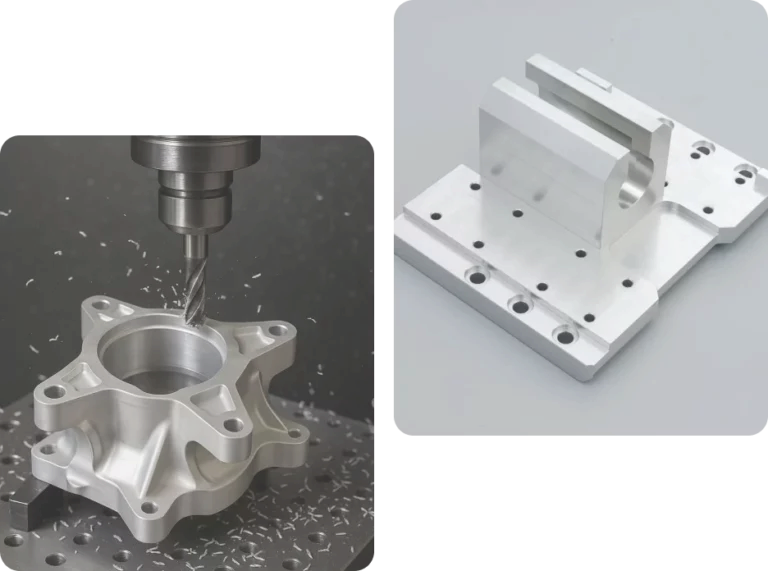
- Understanding Chip Formation During Magnesium CNC Machining
Chip formation is directly related to the safety of the machining process, the surface quality, and the dimensional accuracy of the magnesium alloys. The cutting tool cuts the material off the workpiece to create continuous, segmented, or broken chips as per the cutting conditions. Though the cutting resistance of magnesium is relatively low, allowing for efficient removal of the material, chips can accumulate around cutting tools, work-holding fixtures, and machine enclosures if they are not properly formed.
The main issue is small, fine pieces of chips and magnesium dust. The amount of exposed surface area is significant, and these particles are especially susceptible to ignition when exposed to adequate heat and/or an ignition source. Thus, the size and shape of the chip, the temperature of the machining zone, and the evacuation during the machining process must be taken into consideration by the operators, not only the cutting speed.
- Selecting Appropriate Cutting Parameters for Safer Operations
The cutting parameters have an effect on the separation of the magnesium from the workpiece and the amount of heat generated in the vicinity of the cutting area. Cutting speeds, feed rates, and depths of cut that are too high can result in undesirable chip characteristics and localized temperature increases. Balanced settings ensure that material is removed in a controlled manner, minimizing unnecessary tool engagement and friction. When setting up appropriate machining conditions, professional Magnesium CNC machining services take into account the composition of the alloy, the geometry of the components, the tools used, as well as the capabilities of the machines.
Parameter Selection Considerations:
- Cutting Speed: Choose cutting speeds based on the properties of the alloy, tooling, and machine size and capabilities; do not always assume that maximum speed is best.
- Feed Rate: Ensure enough feed to allow good cutting without too much tool pressure or poor chip formation.
- Depth of Cut: Controlled cutting depths to control cutting forces and provide component stability.
- Tool Geometry: Using the correct tool rake angle and keeping tool cutting edges sharp will produce cleaner chips and reduce friction.
- Machine Stability: Secure workholding and rigid setups eliminate vibration that may affect stable cutting action.
- Managing Heat Generation and Preventing Ignition Risks
One of the most critical factors to take into account when magnesium is being machined is heat management. The thermal properties of magnesium are fairly satisfactory, but the temperatures can get quite high in some places if the chips are permitted to accumulate close to cutting surfaces. Ignition can be increased by dull tools, excessive rubbing, and improper cutting conditions.
It is important that operators check cutting tools periodically for wear or damage and monitor the temperature of the machining operation. Cooling and lubrication methods should be in accordance with magnesium-machining safety procedures and equipment recommendations. Use flood coolant (if applicable) to control temperatures and aid in chip removal. However, the choice of coolant and concentration should be carefully assessed, as incompatible fluids can create extra chemical and/or fire hazards. Good thermal management is a combination of appropriate tooling, controlled cutting parameters, and good chip evacuation.
- Implementing Effective Chip Evacuation and Collection Systems
Chip evacuation ensures that no combustible material accumulates inside the enclosures of the machines and in the work area. Magnesium chips should be removed often by equipment specially designed and approved for magnesium machining. Combustible metal dust protection may require special housekeeping arrangements.
The collection system should be such that no small particles are lost to the ambient environment. Industrial vacuum equipment must be rated for combustible metal dust and not conventional shop vacuums. Compressed-air cleaning should not release dust buildup or allow dangerous dust levels to become airborne. Operators also need to comply with the procedures in place for the collection, storage, and disposal of magnesium waste.
- Choosing Suitable Tools and Machining Equipment
The choice of tool has an impact on the nature of the chips, the temperature of cutting, and the stability of cutting. Sharp cutting edges decrease rubbing and help to produce controlled chips during material removal. Depending on the application, carbide and polycrystalline diamond (PCD) tooling can offer valuable wear resistance and cutting performance.
The equipment used is also important, as adequate fire protection and debris management are required for magnesium machining. CNC turning and milling systems should facilitate controlled cutting operations, effective chip removal, and accessible maintenance procedures. Machine enclosures, extraction arrangements, and electrical components should be appropriate to the combustible-metal hazards identified. In 3ERP, magnesium machining processes need to be concerned with the behavior of the material, tool selection, and process controls throughout component manufacturing.
- Establishing Workplace Fire Prevention and Emergency Controls
Magnesium fires should be treated with special procedures for extinguishing fires. They should be handled with caution, as ordinary methods of extinguishing fire may make some types of metal fires more dangerous. In normal emergencies, water and carbon dioxide extinguishers will not extinguish magnesium fires. Appropriate Class D extinguishers that are rated for combustible metals must be available for use.
Essential Workplace Safety Measures:
- Fire Extinguishers: Keep suitable Class D extinguishing equipment accessible near designated machining areas.
- Housekeeping: Remove accumulated chips and dust using approved collection methods and scheduled cleaning procedures.
- Storage Management: Store collected magnesium waste in designated containers following applicable safety requirements.
- Operator Training: Train personnel to recognize ignition hazards and follow established emergency response procedures.
- Risk Assessment: Review machinery, extraction systems, electrical equipment, and waste-handling arrangements regularly.
- Maintaining Surface Quality After Controlled Chip Formation
Controlled chip formation also helps to ensure the dimensions and surface quality of magnesium parts. If the cutting is irregular, it can result in the formation of burrs, scratches, and surface defects in certain areas that need to be finished. Good machining conditions help to ensure cleaner tool paths and reduce the removal of unnecessary material during subsequent manufacturing processes.
Finishing treatments after machining can be used to enhance corrosion resistance and functional properties further. These can be chromate conversion coatings, painting, powder coating, anodizing, or electroless nickel plating. Depending on the alloy composition, operating environment, and performance requirements, the appropriate treatment is applied. Other surface treatments such as sandblasting, polishing, and tumbling may also change the surface appearance; however, necessary handling precautions must be taken.
Conclusion
Safe magnesium machining depends on the control of material removal, buildup of heat, and combustible chips and dust near the equipment. The simple components of risk management are the correct cutting parameters, sharp tooling, a special extraction system, and trained operators. Surface finishing and regular equipment checks further assure consistent manufacturing results.
These should be the focus points of all manufacturing planning and machining for manufacturers looking for precision magnesium components. 3ERP has been an ISO 9001:2015 certified manufacturing company since 2010 and offers CNC machining and other rapid manufacturing services to various industries around the world. The variety of materials and finishing processes it has worked with allows it to develop lightweight and accurately machined parts. In conclusion, the combination of chip control and thorough fire prevention measures enhances the safety, reliability, and applicability of magnesium CNC machining for critical engineering applications.
